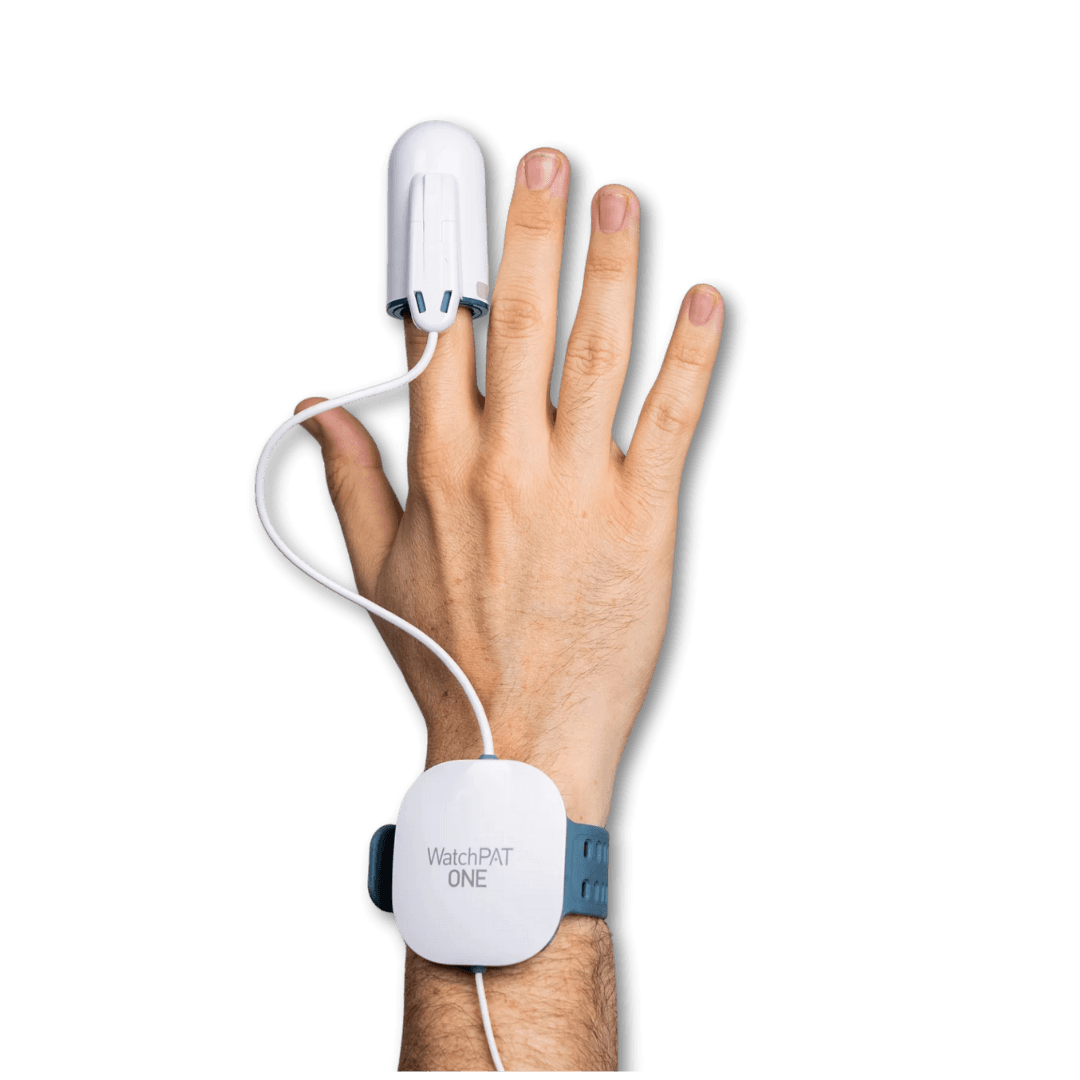
Wear a comfortable, medical-grade sleep sensor for a night, in your own bed. It captures breathing, oxygen levels, sleep stages, and disruptions—without a lab visit.
Step 1
Measure your sleep at home
Wear a comfortable, medical-grade sleep sensor for a night, in your own bed. It captures breathing, oxygen levels, sleep stages, and disruptions—without a lab visit.
Step 2
A sleep doctor interprets your data
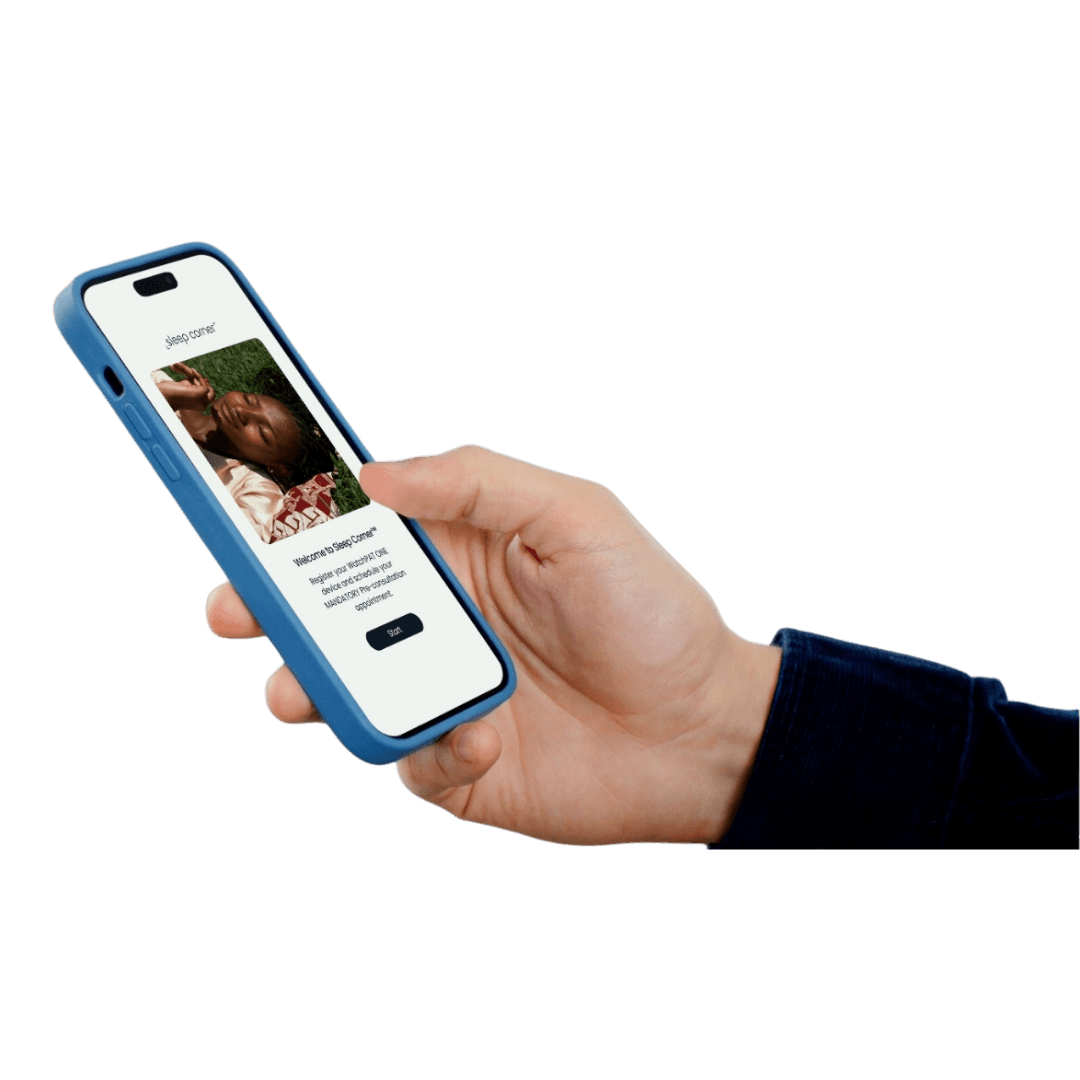
Your sleep data is reviewed by a licensed sleep physician who identifies what’s actually disrupting your sleep—whether it’s apnea, insomnia, circadian issues, or a combination.
Step 2
A sleep doctor interprets your data
Your sleep data is reviewed by a licensed sleep physician who identifies what’s actually disrupting your sleep—whether it’s apnea, insomnia, circadian issues, or a combination.
Step 3
We guide your treatments until your sleep is restored
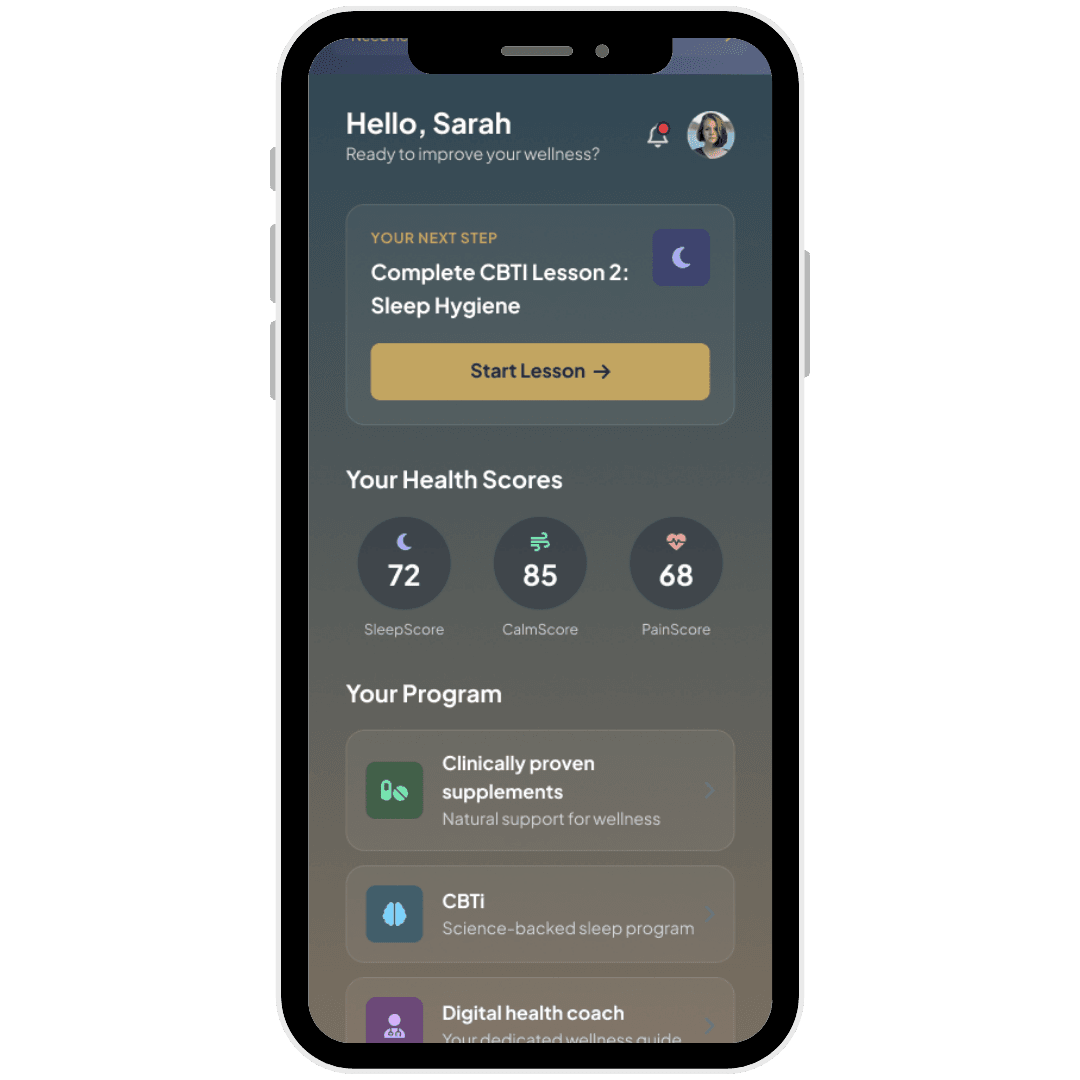
Sleep Corner doesn’t stop at a diagnosis. Your care plan is monitored, refined, and adjusted over time based on how your sleep responds—so you’re not left guessing or managing it alone.
Step 3
We guide your treatments until your sleep is restored
Sleep Corner doesn’t stop at a diagnosis. Your care plan is monitored, refined, and adjusted over time based on how your sleep responds—so you’re not left guessing or managing it alone.
Kiarash Michel, MD, explains how a lack of quality sleep underlies many chronic conditions and why sleep should be treated as a core part of long-term health.
"Focusing and optimizing the quality of sleep is absolutely paramount. When we look at patients who lack sleep, their outcome, behavior, and sense of well-being is drastically different.”